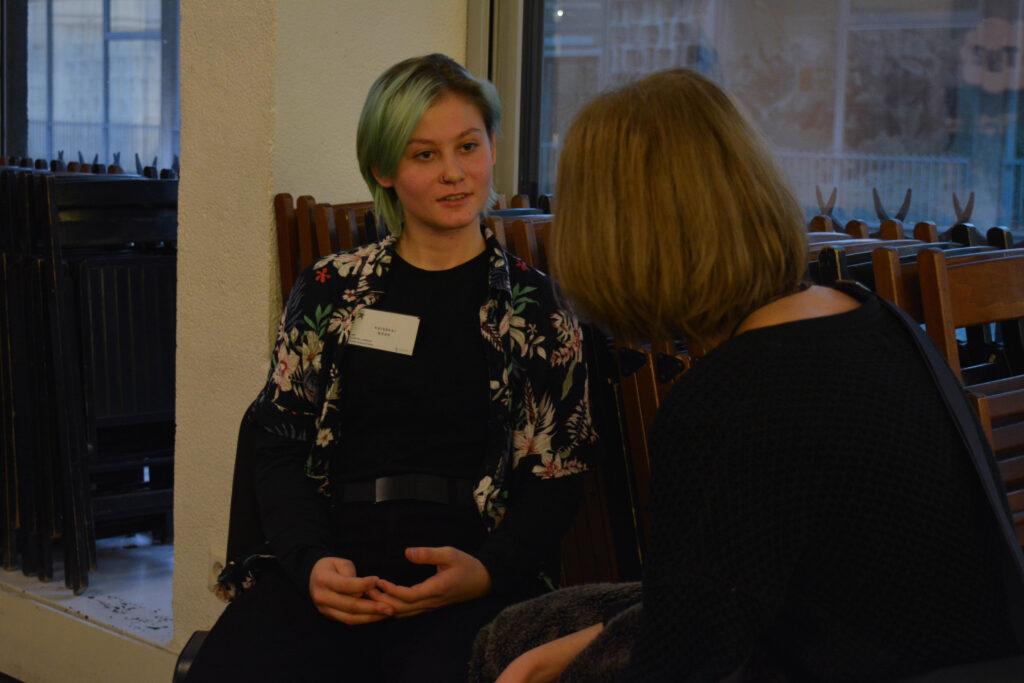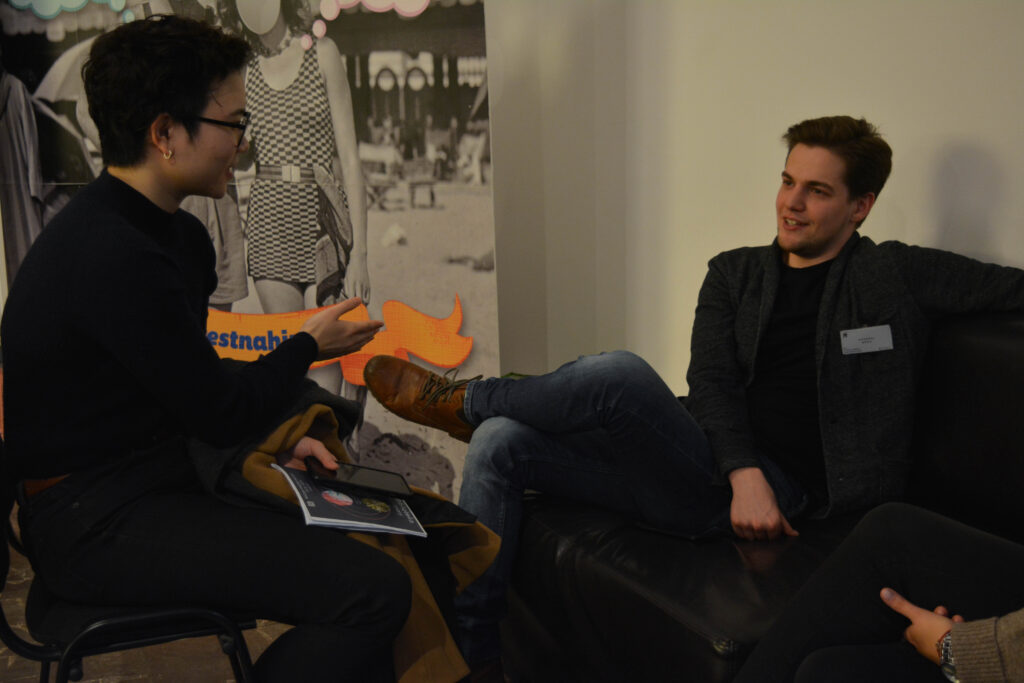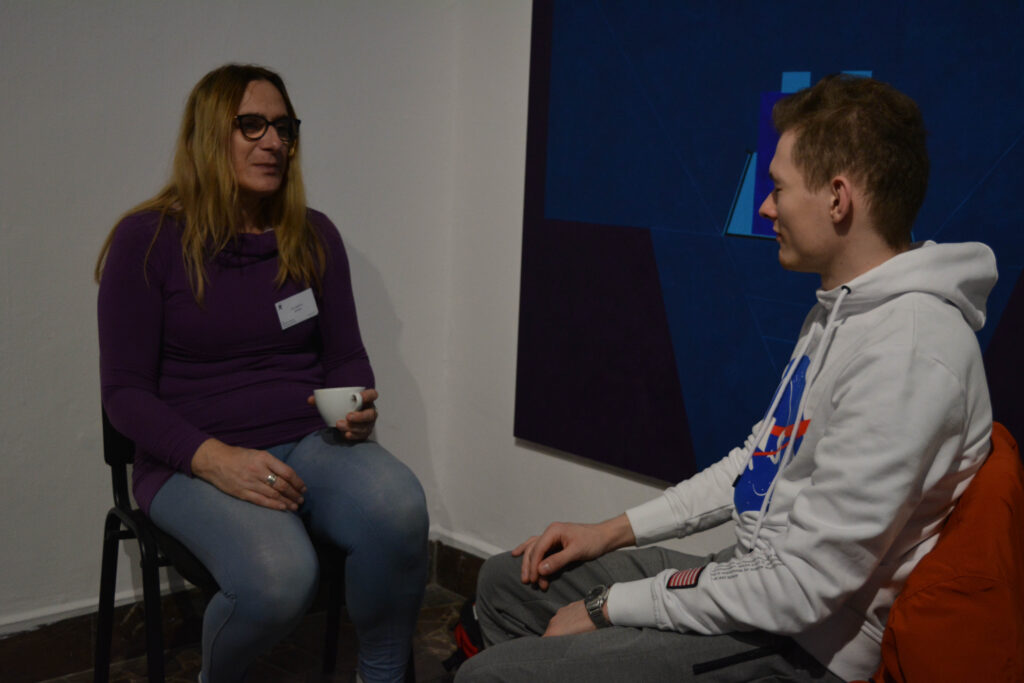
The Human Library is an international movement that promotes an attitude of openness and humanity towards social diversity that uses a simple method of meeting and talking to counter prejudice and discrimination. The Human Library uses language and mechanisms of a library to enable respectful conversations that can positively influence people’s attitudes and behavior towards those in our communities that are at risk of exclusion and marginalization due to their origin, skin color, beliefs, orientation. sexual, occupation, religion.
Just like in a real library, the reader of the Human Library can choose from a whole range of titles. The difference is only in people instead of books, and conversation instead of reading. The reader, which comes to the Human Library, registers and gets a library card. Then he gets acquainted with the Catalog of available titles of the Human Books – people representing groups with which stereotypes and prejudices are related. The choice of Books is a response to the current needs of the community and is based on the local context.
Creating a space for dialogue between people from different environments and contexts is one of the best ways to stop making prejudices and build stronger social relationships. The Human Library provides a secure place for respectful conversations where you can ask questions and share experiences. The Human Library, by building trust and sincere contact with other people, allows you to counter prejudice, stigmatization and discrimination.
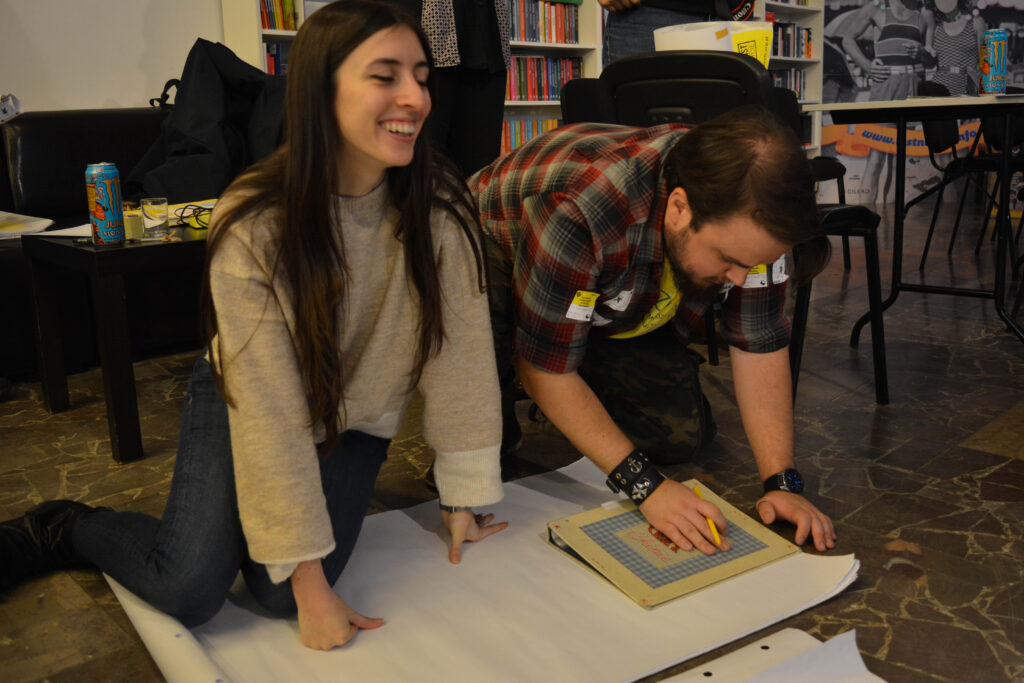
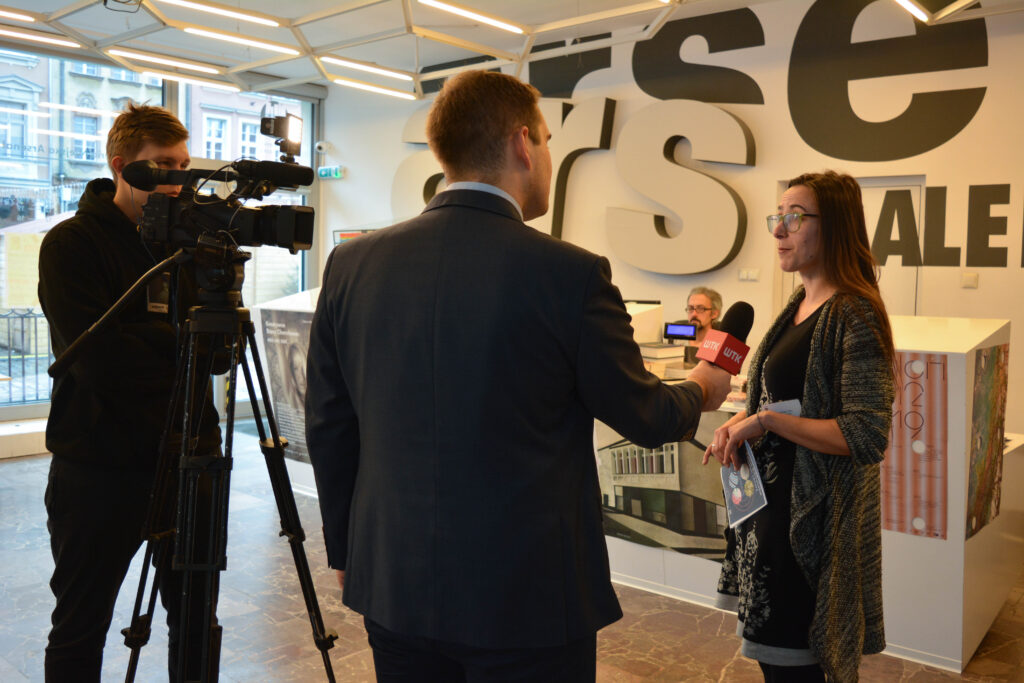
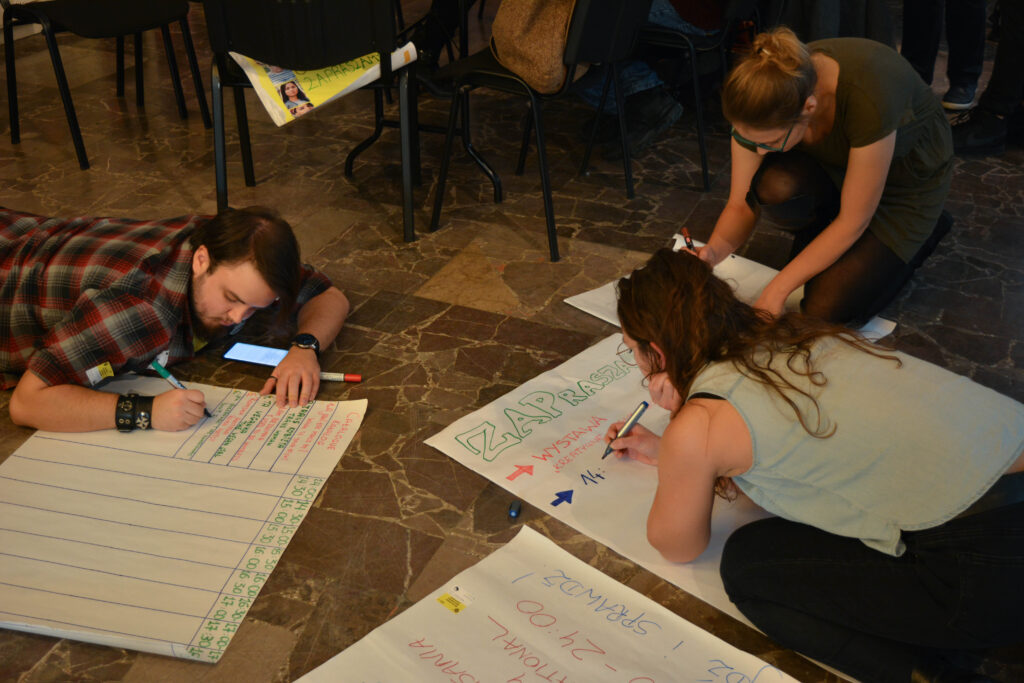
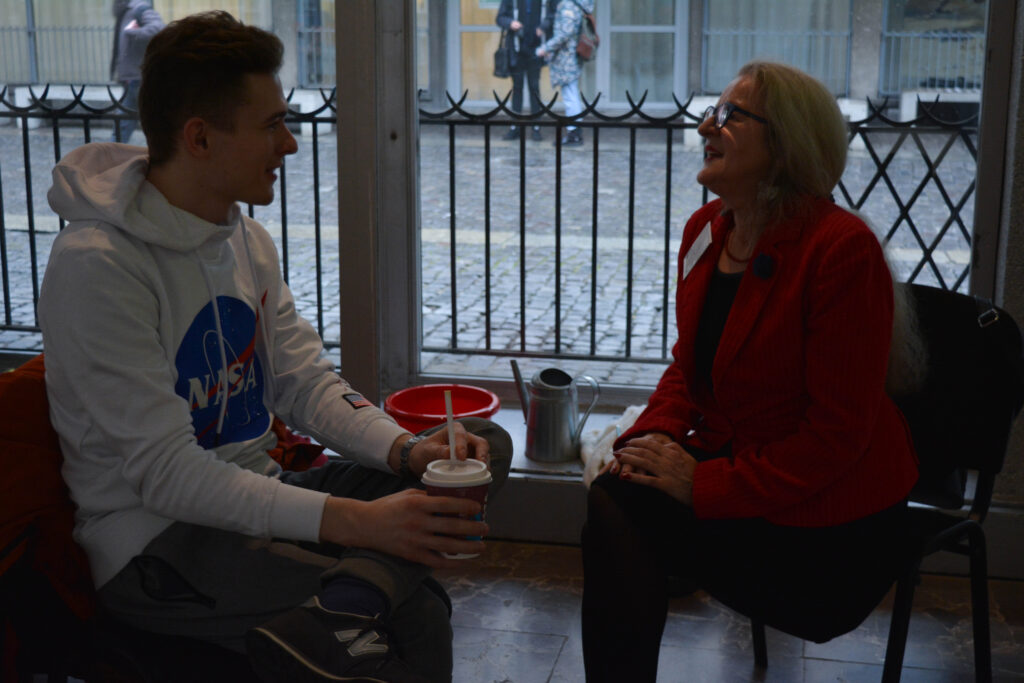
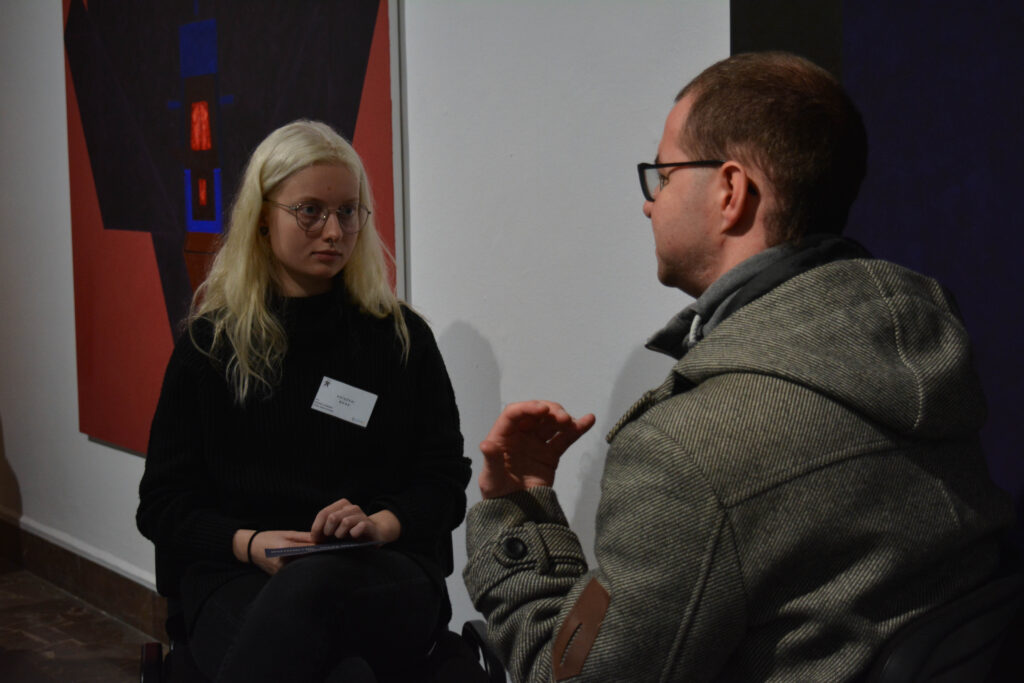
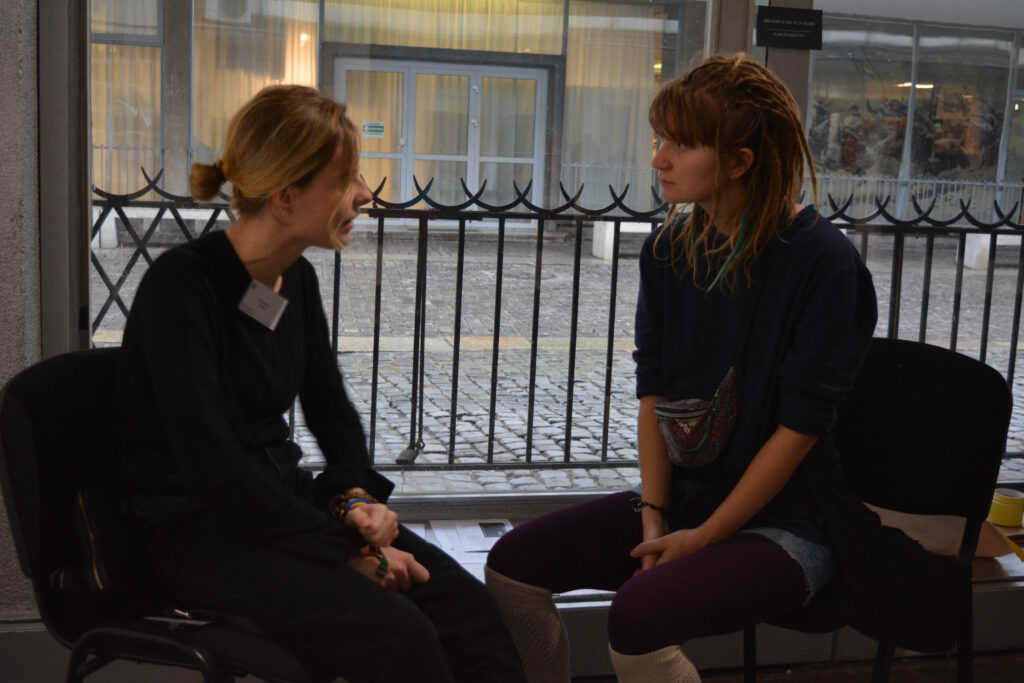
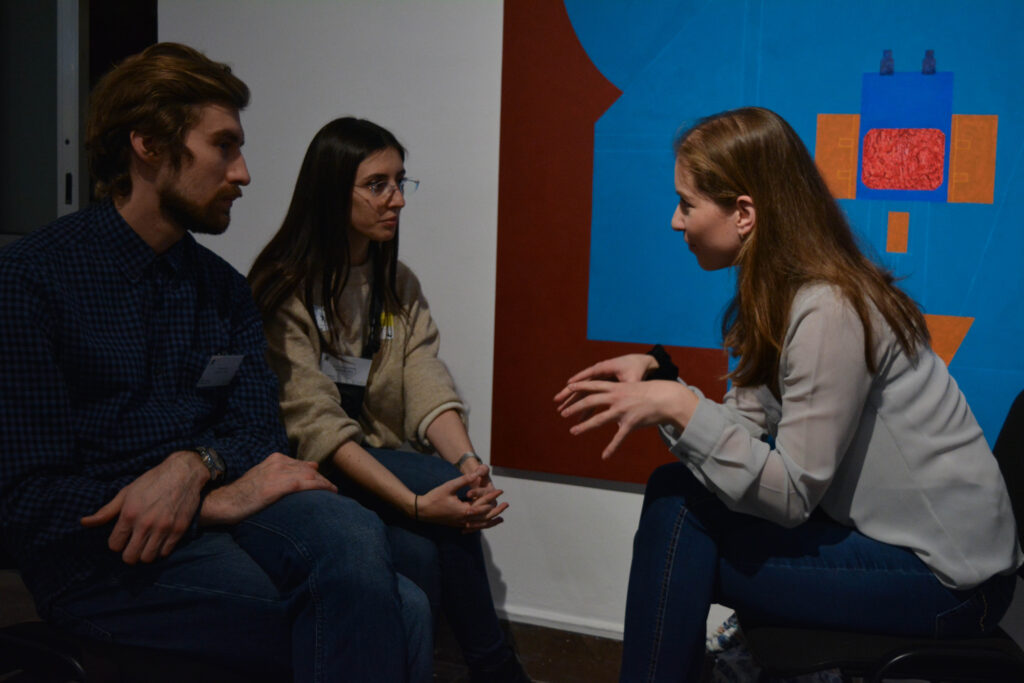
On the 7th of December 2019, at the Arsenal Municipal Gallery take place the Human Library event organized by members and volunteers of the Intercultural Initiatives Centre Horizons. It was one of the events accompanying the 20th Marathon of Writing Letters of Amnesty International and workshops about deconstruction and construction of Declaration of HR, during which everyone could express his/her opposition to violations of human rights. Their solidarity with victims could be shown by writing a letter to the authorities of the country where the activists are persecuted.
The event was aimed at enabling Poznan citizens to fight against broadly understood discrimination on a local and global scale. The Human Library itself was the result of the work by volunteers of European Solidarity Corps under Erasmus + program.
In December during the meeting, you could borrow the following books from the Catalog:
And what is that TICK of yours?
The trans woman
I used to be homeless
This vegan girl
Person struggling with mental issues
I do not want war in Poland
Roma artist
Alcoholic anonymous
Everything and nothing – non-binary and asexual person
Muslim and Polish
Don’t fear the queer
Parent of nonheteronormative child
A lesbian of faith
A teenager after depression
Hearing-impaired person
During held Human Library, about 110 Books borrowings have been recorded, where “Muslim and Polish”, ” Person struggling with mental issues” and ” I do not want war in Poland” have been noted as the most readable among them.
According to filled by the Readers evaluation forms, about 50% of participants took part in the Human Library for the first time, and 90% of them declared that they have a very positive impression of the event.
Among reflections after talks with Books, we can mention the following: “You are widening your horizons for real and your eyes are opening towards a lot of things”, “There are a lot of things to reconsider and to think about” etc.
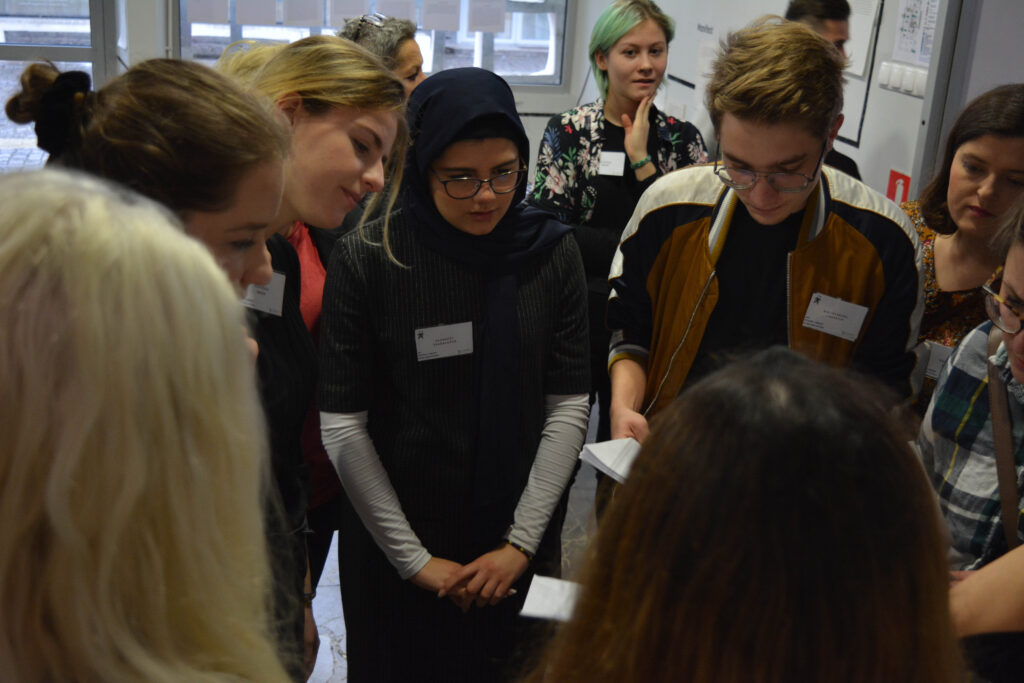
At the end of the day, a round of evaluation was carried out, as it should be after each event to ensure that all books are still in good condition and that everyone had a good experience. Each book shared their thoughts on the event and their meeting with readers. According to the feedback, the atmosphere and general impression was 4.5 from 5, and 91% of all involved are ready to repeat it!
This day people were closer, and they appreciated and respected each other. Not because they have to, but because they have come to understand each other and they understand that our differences are not dangerous. Above all, we are all in the same boat on an ocean of stigma.